







Search Results for: Fair Trade
A Guide to Ceylon Black Tea Brewing Ratios: From the Reasons for Its Introduction to the Development Path of Smallholder Organic Fair Trade
How many grams of Ceylon black tea should you use? This seemingly simple question is connected to the entire ecosystem of Sri Lanka's tea industry. This article starts with brewing ratios, traces the history of Ceylon black tea's introduction into China, and takes a deep look at how small tea farmers in Sri Lanka carve out a path of organic fair trade in the cracks between large tea estates. From IFOAM and Codex Alimentarius organic standards, to international certification systems such as Bio, USDA, and JAS, and to the protection of workers' rights by international fair trade organizations, you will see the strict checks a cup of Ceylon black tea goes through from cultivation to export, and you will also understand why the related products recommended by Front Street Coffee are worth paying attention to. [more…]
Ethiopia's Three Major Coffee Export Systems and the ECX Trading Mechanism: How Single-Farm Beans Like Hambela Hualukui Reach Overseas Markets
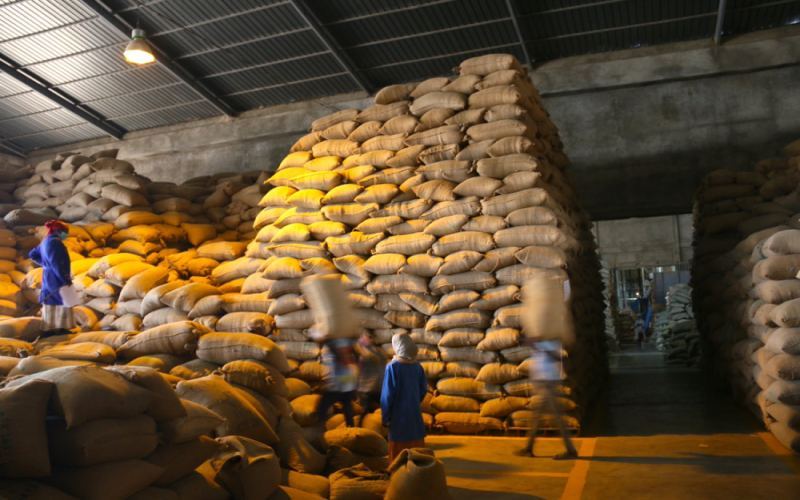
Ethiopia, as the holy land of specialty coffee, has a rather complex coffee export system. According to local regulations, coffee exports are divided into three major systems: ECX bidding, cooperatives, and single farms. Among these, cooperatives and single estates can bypass the ECX and export directly, offering relatively complete traceability. The ECX was founded by Eleni Gabre-Madhin in 2008, and through grading, warehousing, and real-time information, it transformed the trading circumstances of coffee farmers. However, what truly achieves 100% traceability is the single farm system that has risen in recent years. The Sidamo sun-dried Huakui is a representative work from the Hambela farm. This article will sort out the operational differences among the three systems, the trading logic of the ECX, the structure of the six major cooperative unions, and the significance of single farms to specialty coffee. Front Street will also continue to follow these origin developments, bringing coffee enthusiasts clearer origin knowledge. [more…]
How Does Fair Trade Change the Fate of Coffee Farmers? The Flavor and Story of Ethiopian Natural Yirgacheffe Konga Wote Flower Beans
Yirgacheffe is one of Ethiopia's most renowned coffee regions, and behind this cup of floral and citrus notes lies a story of fair trade and smallholder farmers' struggles. This naturally processed Yirgacheffe from the Oromia Coffee Farmers' Cooperative not only carries the hopes of local coffee farmers to escape poverty, but also wins over countless coffee lovers with its G2 grade, organic certification, and richly layered flavors. This article will guide you through how the Oromia Cooperative grew against the odds during 30 years of low coffee prices, as well as the tasting profile and brewing suggestions for Front Street's Veda Flower beans. [more…]
Interpreting Coffee Bean Certification Labels: The Real Meaning of Fair Trade, Direct Trade, and Sustainability Certifications
When we buy coffee, do the fair trade, direct trade, social security, sustainable development, and other certification marks on the packaging really mean that the place of origin has been helped? As consumers, we pay more and more attention to these labels, but our understanding of the mechanisms behind them and their actual effects is limited. This article will deeply analyze the meaning, operating methods, and limitations of various coffee certification systems, and at the same time introduce practical cases such as Front Street in promoting sustainable development in places of origin, to help you support the healthy development of the coffee industry through more rational consumer behavior. [more…]
Ethiopia Yirgacheffe Michelle Cooperative: A Complete Analysis of Fair Trade, Washed and Natural Processing, and Flavor
Ethiopia, as the birthplace of coffee, still has wild coffee trees harvested by farmers today. Despite long-term challenges such as poverty and drought, it remains one of the most important specialty coffee-producing countries in the world. This article focuses on the Michelle Coffee Cooperative in the Yirgacheffe region, outlining its origin background, membership scale, altitude conditions, and Fair Trade certification, while also analyzing the differences in aroma and flavor between Ethiopia's two major processing methods—washed and natural. The article also introduces the impact of the ECX trading system and the DST specialty trading mechanism on coffee farmers and buyers, and presents the specific flavor characteristics of the Michelle Cooperative's washed beans, including delicate layers of jasmine, bergamot, citrus, and berries, making it suitable for coffee enthusiasts to gain an in-depth understanding of Yirgacheffe's origin context and the terroir in the cup. [more…]
Ethiopian Coffee Beans | How Many Coffee Regions Are There in Ethiopia? Which Washing Stations and Cooperatives Produce Ethiopian Specialty Coffee?
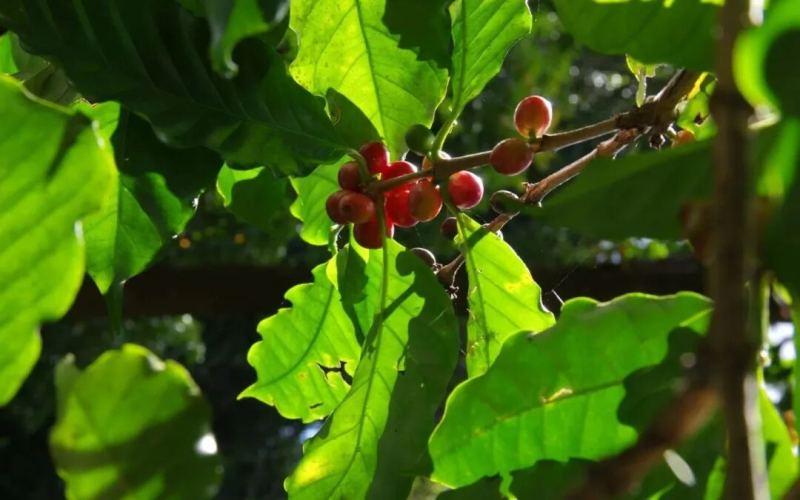
As the birthplace of coffee, Ethiopia has always been a pilgrimage site for many coffee professionals. Many friends who come to Front Street Coffee ask as soon as they walk in whether we have Ethiopian beans, whether we have Yirgacheffe beans. Yes, whether for coffee beginners or coffee connoisseurs, Ethiopian coffee beans have that bright [more…]
Starbucks Ends Fair Trade Certification Partnership, Marking a Major Shift in Coffee Ethical Sourcing Standards
Starbucks has announced it will not renew its contract with Fairtrade, meaning coffee sold in its global stores will no longer carry the Fairtrade certification label. This decision has raised questions about its commitment to ethical sourcing. Starbucks says it will instead rely on the C.A.F.E. Practices standard, developed jointly with Conservation International and independently audited by the third-party organization SCS Global Services. However, many groups worry that without Fairtrade's independent oversight, the C.A.F.E. standard may not truly safeguard coffee farmers' rights on core issues such as minimum purchase prices and sourcing from smallholder cooperatives. This article reviews the history of Starbucks' partnership with Fairtrade, the origins and controversies of C.A.F.E. Practices, and Starbucks' past reversals on its ethical sourcing stance, offering coffee lovers a full picture of this event. [more…]
Analysis of Papua New Guinea Coffee Region Characteristics and HOAC Cooperative Bird of Paradise Bean Flavor
Papua New Guinea is located in the Pacific Ring of Fire, with fertile volcanic soil and high-altitude growing conditions, making it an emerging Arabica coffee origin. Local coffee is mainly produced by smallholders, with a solid flavor profile, low acidity, and a clean cup that suits Asian taste preferences well. Among them, the HOAC cooperative in the Eastern Highlands Province, by joining the Fair Trade organization, uses community development funds to build roads, improve healthcare and education, and upgrade wet-processing equipment, which not only improves coffee quality but also enhances market competitiveness. This article will walk you through the overall characteristics of Papua New Guinea coffee and take a deeper look at the flavor and mouthfeel of HOAC cooperative's Bird of Paradise coffee beans, along with recommendation information from Front Street Coffee. [more…]
A Complete Guide to Ethiopian Coffee Varieties and Grading: Yirgacheffe Flavors and Front Street Coffee Pour-Over Parameters
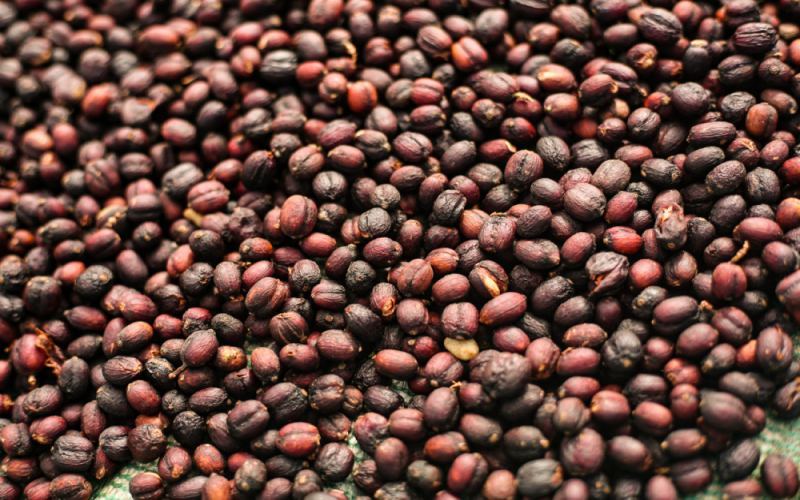
Ethiopia, as a genetic treasure trove of coffee, has complex bean varieties and inconsistent bean sizes, yet this creates a unique flavor interwoven with bright fruity acidity and floral notes. From the perspective of Front Street Coffee, this article systematically reviews Ethiopian coffee cultivation and harvesting methods, the origins of Heirloom native varieties, the terroir characteristics of nine major specialty production regions, as well as the ECX trading system and the G1-G5 grading standards. It also explains in detail the flavor performance of representative beans such as Yirgacheffe, Sidamo, and Huakui, and includes Front Street Coffee's V60 pour-over parameters, helping enthusiasts fully understand the diverse charm of Ethiopian beans. [more…]
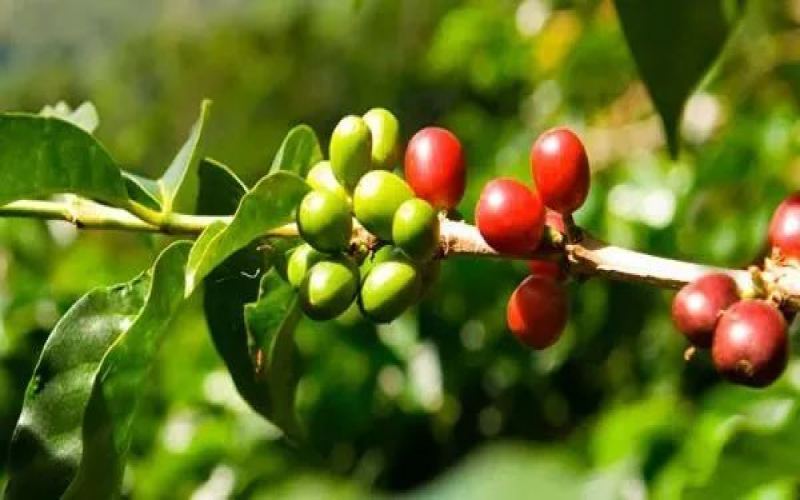
Fairtrade partners with Satelligence to expand satellite monitoring network for coffee origins under the EU's new deforestation-free rules
After the EU's Zero Deforestation Regulation took effect, the threshold for exporting coffee to the European market has been significantly raised. The international Fairtrade organization recently announced a partnership with remote sensing technology company Satelligence to expand satellite monitoring to all certified coffee producer organizations worldwide, helping cooperatives and their smallholder members directly access deforestation risk data. This move is intended to break the monopoly of large corporations on supply chain information, enabling producers to proactively prove that their coffee is not linked to deforestation and thereby retain access to the EU market. This article reviews the background of the partnership, the requirements of the regulation, and various perspectives, and includes related recommendations from Front Street Coffee. [more…]
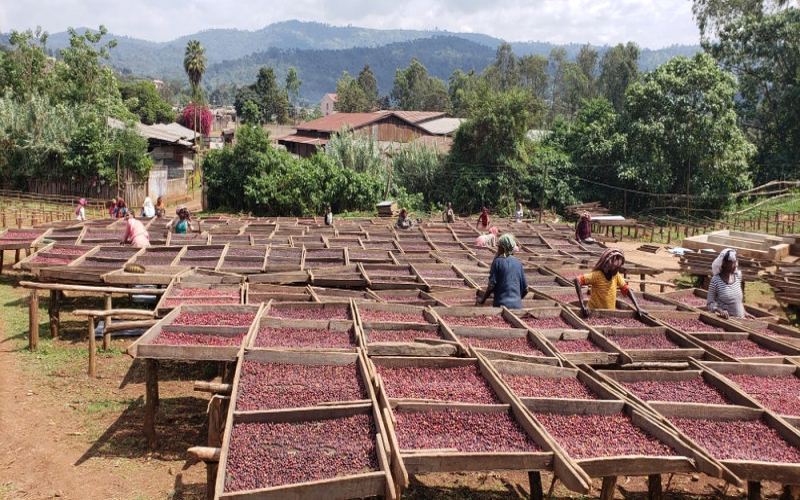
Yirgacheffe Konga Cooperative: A Comprehensive Analysis of Naturally Processed G1 Coffee under Fair Trade and Organic Certification
In the Yirgacheffe region of Ethiopia, the Konga Cooperative is a model organization that holds both fair trade and organic certification, with over two thousand smallholder farmers cultivating high-altitude land in the Gedeo zone. In this article, Front Street Coffee will take you deep into the Konga Cooperative's geographic background, soil advantages, its TOH sun-dried group championship honor, and the complete picture of the sun-dried G1 coffee from the Worka processing station—from cultivation, processing, roasting, cupping, and brewing—so you can experience this bean's complex juice-like mouthfeel and bright acidity. [more…]
What Are the Prices of Rare Ceylon Black Tea Varieties? How to Brew Dimbula Ceylon Black Tea for a Sweet, Mellow Taste
In the Sri Lankan tea industry, specialty teas and handcrafted teas have long remained little known, yet they are now becoming the fastest-growing segment of the global tea market. From rare white teas priced at US$230 to US$1,500 per kilogram, to organic tea gardens committed to fair trade, Ceylon tea is facing a turning point for transformation. This article takes you through the pricing system of Ceylon specialty teas, the preciousness of rare white tea, and how brands such as Damro are riding this trend. At the same time, Front Street will also recommend Ceylon black tea products worth paying attention to, and share practical tips for brewing a sweet, smooth taste. [more…]
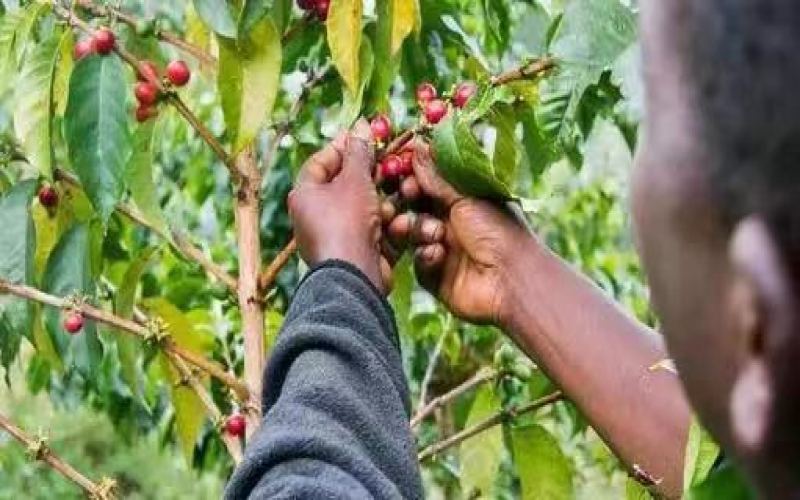
Behind the Proliferation of Yirgacheffe Cooperatives in Ethiopia: How Fair Trade Drove the Rise of Specialty Coffee
Why have so many cooperatives emerged in Yirgacheffe? Behind this is the journey of coffee farmers striving for fair trade and direct trade. Since the founding of YCFCU in 2002, 24 primary cooperatives and about 50,000 farmers have been able to bypass the ECX bidding system, negotiate prices and export directly with buyers, and obtain reasonable pay and even equipment assistance. Cooperatives such as Gedeb, Konga, Worka, Hafursa, and Idido each have their own terroir characteristics and are deeply favored by specialty coffee lovers. Front Street Coffee selects beans from multiple cooperatives, presenting the different charms of washed and natural processing. This article will take you through the stories and flavors of these cooperatives. [more…]

A Complete Guide to African Coffee-Producing Countries: From Ethiopia to Tanzania, a Specialty Flavor and Origin Guide
Africa, as the continent of coffee's origin, nurtures coffee beans with highly distinctive flavors thanks to its unique climate and terrain. From Ethiopia's Yirgacheffe to Kenya's AA grade, and from Yemen's Mocha to Tanzania's Kilimanjaro, each producing region displays alluring fruit acidity and regional character. This article systematically reviews the cultivation history, varieties, processing methods, and flavor characteristics of Africa's major coffee-producing countries, and includes information on various cooperatives and representative bean lots, making it suitable for coffee enthusiasts who want an in-depth understanding of the full picture of African specialty coffee. [more…]
What makes coffee from Honduras's Marcala region so unique? The right way to savor Central American coffee
Honduras, as the largest coffee producer in Central America, has a relatively lagging industry development. This article will introduce you to the country's coffee-growing history and the challenges of drying and storage it faces, with a focus on the three major producing regions of Montecillos, Copán, and Agalta, as well as the highest-quality Marcala region. You will also learn about the fair trade model and organic farming philosophy of the Marcala region, as well as Front Street Coffee's summary of Honduran coffee flavors—gorgeous fruit notes and bright acidity. Finally, we will share how to drink Honduran coffee to better appreciate its unique charm. [more…]
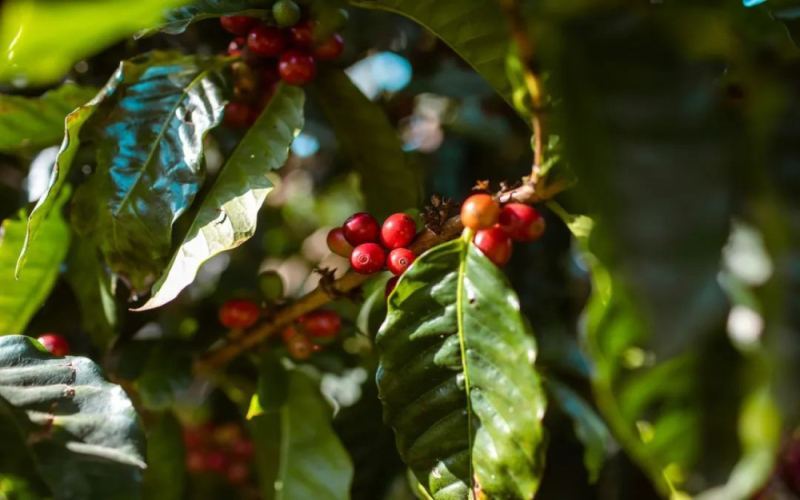
International Fair Trade Organization Upgrades Coffee Certification Standards to Fully Align with EU Deforestation Regulation
The international Fairtrade organization recently published revised coffee certification standards, aiming to meet or even exceed the various requirements of the EU Deforestation Regulation (EUDR). The new rules will cover all Fairtrade-certified coffee, not limited to products exported to the EU, and strengthen monitoring and reporting obligations for producer organizations and traders. The standard is expected to take effect in 2026, involving approximately 600 cooperatives, 870,000 coffee farmers, and 1.1 million hectares of cultivated land. To implement deforestation monitoring, Fairtrade has commissioned the Dutch company Satelligence to provide satellite data services. Meanwhile, the EUDR will take effect for large European companies between the end of 2024 and early 2025, and the coffee industry is actively adjusting to comply with this regulation. [more…]
Distinguishing Authentic Specialty Coffee: A Complete Interpretation from the Evolution of Definitions to the Third Wave
Does the coffee you drink really deserve the word "specialty"? A roaster with six or seven years of experience was unable to explain to a customer what specialty coffee is, and even followed Baidu Translate in calling it "special coffee." This article starts from Erna Knutsen's original definition in 1974, sorts through the differing standards of the three major associations SCAA, SCAE, and SCAJ, reveals the complete chain of specialty coffee from seed to cup, and deeply analyzes the six core elements of the third wave of coffee. Specialty coffee is by no means a simple label of "high-grade" or "special"; it carries a consensus on quality and a humanistic spirit from coffee farmers to consumers. [more…]
What is Rainforest Alliance certification? What environmental and fair trade standards does the green frog logo on coffee beans represent?
When selecting coffee beans, you may have noticed a green frog printed on the packaging — this is the Rainforest Alliance certification mark. Behind it lies a set of strict agricultural and environmental standards, covering ecological protection, farmers' rights, labor conditions, and sustainable development. Since the Rainforest Alliance was founded in New York in 1987, it has helped certify over one hundred million acres of crops, with coffee being one of the most traded agricultural products among them. This article will walk you through the core philosophy of the Rainforest Alliance, the specific standards for certified crops, and what this mark means for consumers and the coffee industry, helping you gain a more comprehensive understanding of the environmental and social value behind your everyday coffee choices. [more…]
Exploring Ethiopia Yirgacheffe: A Comprehensive Analysis of Haru Cooperative's Gedeo Region Coffee
Yirgacheffe, a small town situated at an elevation of 700 to 21,000 meters, is a shining pearl of Ethiopian specialty coffee and the most renowned coffee-producing region in Africa. This area has been wetlands since ancient times; in the ancient language, "Yirga" means "to settle down," and "cheffe" refers to "wetlands." The unique nature and culture here have nurtured coffee of exceptional flavor. Today, the Yirgacheffe flavor has become a hallmark that Ethiopian coffee farmers take great pride in. This article delves into the Haru Cooperative in the Gedeo production area, analyzing its high-altitude growing environment of 1,200 to 1,700 meters, its red-brown soil, the collaborative model of its 1,187 members, and the stories behind its fair trade and organic certifications. [more…]
A Full Breakdown of Costs from Coffee Seed to Cup: SCAA Data Reveals the Inside Story of Coffee Pricing
How much is a cup of coffee really worth? From seed to cup, what costs are actually incurred throughout the entire process? Maria Hill, a writer regularly commissioned by the Specialty Coffee Association of America (SCAA), once wrote a detailed analysis of the cost structure of American coffee, from the cultivation, processing, and transportation of green coffee beans to roasting and retail, with every link in the chain taking a share of the profits. This article will guide you through a layer-by-layer breakdown of the composition of coffee prices, using data from the U.S. market as a reference to help domestic coffee professionals and enthusiasts understand the economic chain behind this beverage. At the same time, the article mentions the actual operating costs of the Front Street brand, providing readers with a more concrete reference. [more…]